Makeugc
English
Start creating

Use case library

See what UGC video examples can do for your brand

UGC video examples help you move from a blank brief to a clear creative direction. Explore practical Makeugc concepts for demos, testimonials, tutorials, and short-form campaigns.

Free to start · no signup
Makeugc workspace showing a creator-led product video

Prompt to output

The scenario's pain

Most teams do not need more vague inspiration. They need a repeatable way to turn a product angle into a usable UGC concept, complete with a hook, visual action, and closing message.

scroll
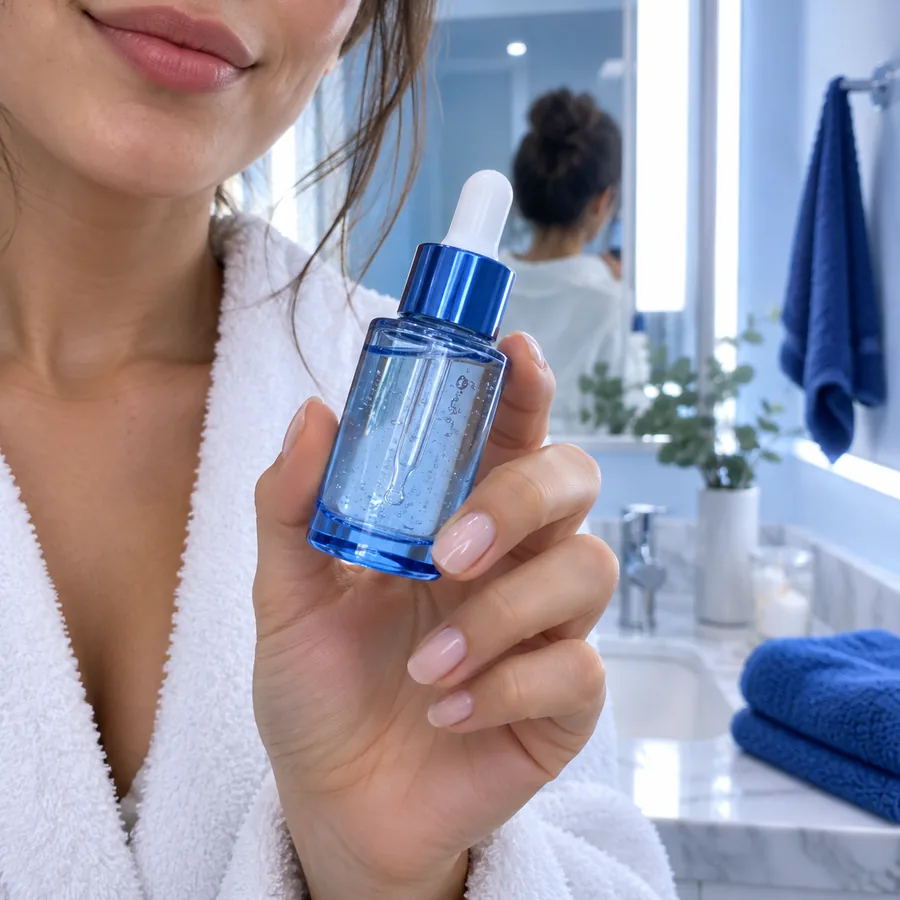
  1. Creator presenting a skincare product Skincare 1
    prompt Create a natural creator testimonial for a daily skincare product, opening with a relatable skin concern and ending with one clear recommendation.
    Creator testimonial Hook · demo · recommendation
  2. Creator demonstrating a mobile app App demo 2
    prompt Show a creator using a mobile app to solve a common everyday problem, with a quick screen demonstration and conversational voiceover.
    App walkthrough Problem · screen demo · CTA
  3. Creator holding a packaged snack Food 3
    prompt Create a casual snack reaction video with an immediate first-bite hook, close product shots, and a concise reason to try it.
    Product reaction Reaction · close-up · reason to buy
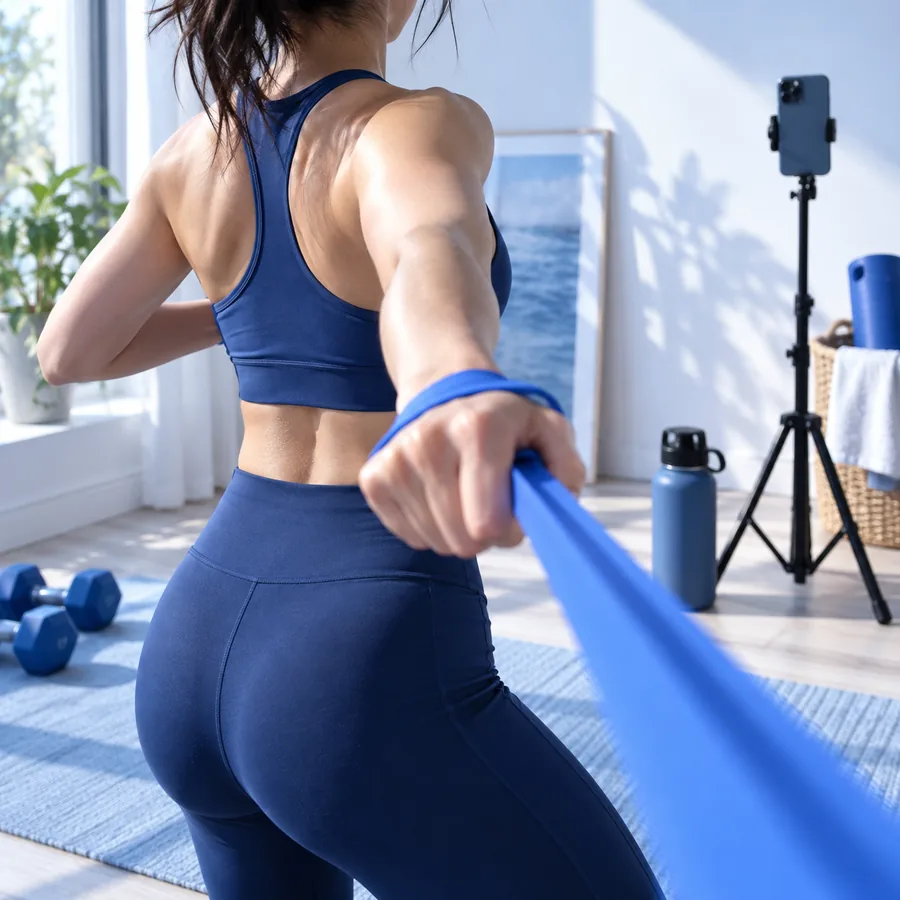
  4. Creator presenting a reusable water bottle Lifestyle 4
    prompt Create a short product demo showing a reusable water bottle in a gym bag, during a workout, and in a final handheld recommendation.
    Lifestyle demo Three scenes · product in hand

Keep the product, audience, setting, and desired action specific; change one variable at a time when adapting a prompt.

Creative starting points

3 concrete workflows

Choose a workflow based on the job the video must perform. Each route gives Makeugc a different creative brief, so the result is easier to review and revise.

The product marketer

You need a direct product demonstration for a landing page or paid social test.

Start with the product action, show the benefit in context, and finish with one focused next step. Pair this with the makeugc online app when you want to turn a written brief into a first concept.

makeugc online app

The social strategist

You need several hooks for the same offer before choosing a winning angle.

Create variations around a complaint, a discovery, and a before-and-after moment. The makeugc gestures guide can help you specify pointing, holding, showing, and other visible actions.

makeugc gestures

The content producer

You have a product image, a rough script, or a creator direction but not a finished sequence.

Break the idea into shots, dialogue, and transitions before generating. The how to make UGC videos walkthrough gives you a practical order for shaping the brief.

how to make UGC videos

The ecommerce owner

You want a quick piece of social proof for a new product page or launch campaign.

Lead with one believable use case instead of listing every feature. Makeugc can help you explore a creator voice and visual rhythm before investing in a larger shoot.

makeugc AI reviews
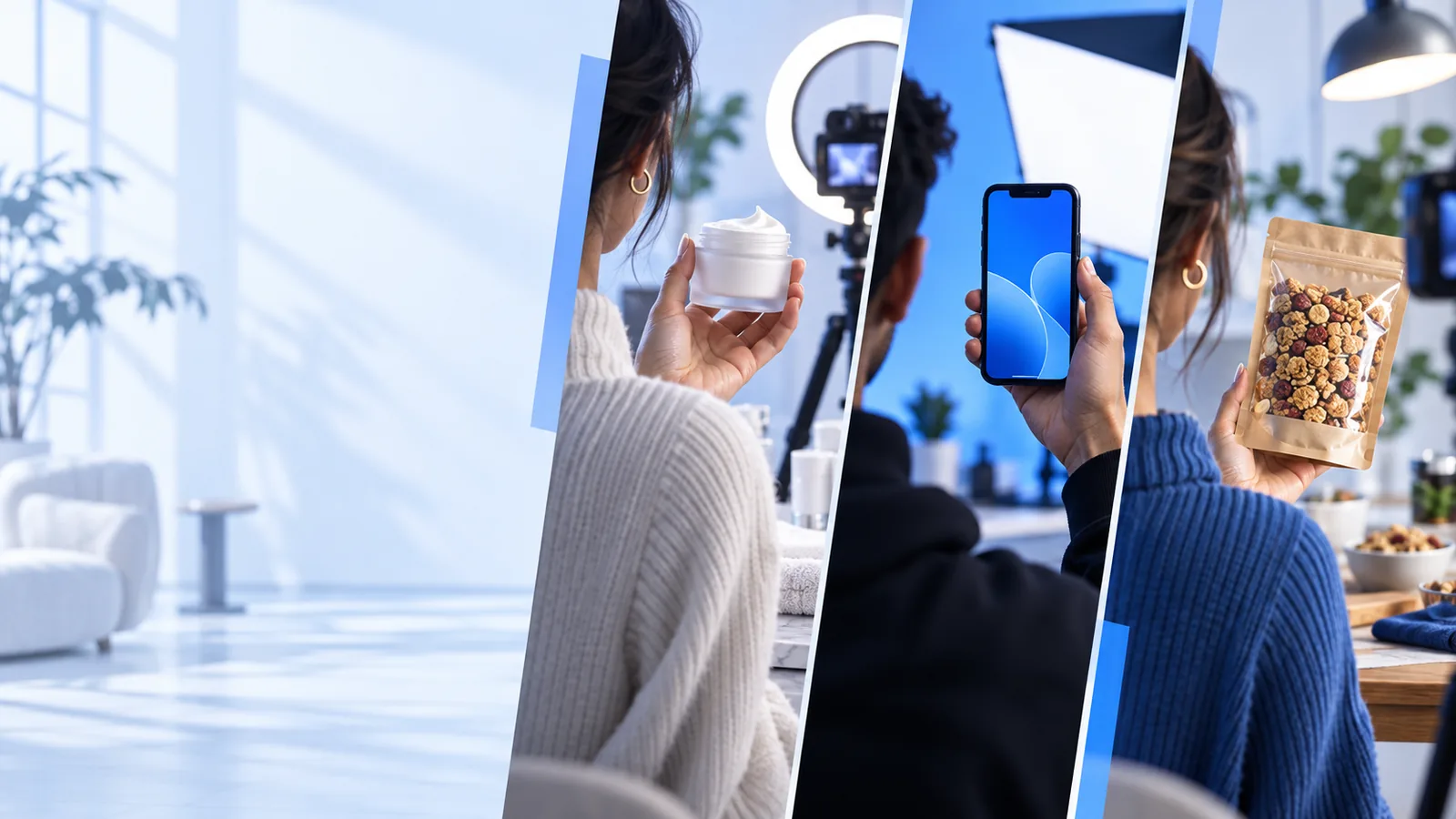
Output gallery

Example output

These UGC video examples show how the same production language can support different products and audiences. Use the input line as a starting point, not a script to copy word for word.

  • Skincare creator video output Routine demo
    A morning-routine skincare demo built around a relatable problem and a simple product reveal. Input: dry skin concern + morning routine
  • Mobile app creator video output App walkthrough
    A creator-led app walkthrough that makes the value visible through one specific task. Input: everyday problem + screen recording direction
  • Snack creator video output Reaction
    A snack reaction concept that uses taste, texture, and an immediate personal response as the hook. Input: first-bite reaction + product close-up
  • Reusable water bottle creator video output Lifestyle
    A lifestyle product demo that places the bottle naturally across a workout-day sequence. Input: gym bag + workout + final recommendation

Format evolution

The modern UGC brief combines creator authenticity with the structure of a short performance ad. That combination developed in stages.

  1. Creator testimonials become a standard proof format

    Brands began using everyday voices and informal demonstrations to make product claims feel more personal and less like traditional advertising.

  2. Short-form video becomes the default testing ground

    Vertical video, fast hooks, captions, and quick edits made it easier to test several creative directions without producing a full commercial.

  3. AI-assisted UGC workflows emerge

    Teams started combining product inputs, written prompts, synthetic presenters, and editing tools to explore more concepts before committing production resources.

  4. The brief becomes more structured

    Better results came from specifying audience, setting, gesture, product action, tone, duration, and closing message instead of asking for a generic social video.

  5. Iteration moves closer to the creative team

    UGC production increasingly works as a loop: define the angle, generate a draft, inspect the product visibility and message, then refine the prompt.

Choose the right brief

Compliance notes

The best UGC concept is still responsible advertising. Decide how much realism, disclosure, and product detail your campaign needs before publishing any generated output.

1

Choose a testimonial-style concept

Use it when the message is about a personal experience, opinion, or routine.

Keep claims supportable, avoid presenting invented results as verified facts, and label synthetic or altered content when the platform or local rules require it.

2

Choose a demonstration-style concept

Use it when the product action can be shown clearly without relying on an exaggerated promise.

Show the real use conditions, keep packaging and features accurate, and make limitations visible where they affect the viewer's decision.

3

Choose a concept for paid distribution

Use a more controlled script, visual checklist, and approval pass before publishing.

Review disclosures, trademarks, health or financial claims, music rights, and the final call to action for the specific channel.

Early UGC concept with a less focused product presentation Refined UGC product reaction concept

Refine the pass

A useful comparison is not only prettier versus rougher. It is whether the product, action, and message are easier to understand in the revised version.

  • Loose brief
  • Focused brief

Drag the divider to compare a broad concept with a more specific product-led direction.

Make the next draft

Turn an idea into a usable UGC concept

Start with one product, one audience, and one action you want the viewer to understand. Makeugc gives you a practical place to test the hook, creator direction, and visual sequence before you polish the final cut.

  • Begin with a specific use case
  • Test the hook before adding detail
  • Review every claim and disclosure

Questions answered

Scenario FAQ

Answers to common questions about planning and evaluating UGC video examples.

UGC video examples are short creator-style videos that show a product, service, routine, or personal reaction in a casual, relatable format. They can include testimonials, demonstrations, unboxings, tutorials, app walkthroughs, and lifestyle scenes.

Start with one audience problem and one clear product action. Write a prompt that names the setting, creator tone, opening hook, visual proof, duration, and final message, then review the output for clarity and accuracy.

A strong product video usually includes an immediate reason to keep watching, a visible demonstration or use case, and one concise takeaway. It should also show the product accurately and include any disclosure or claim language required for the channel.

They may be usable when the output follows the platform's rules, advertising standards, disclosure requirements, and applicable rights or permissions. Review synthetic content, product claims, likenesses, music, trademarks, and regulated-category language before publishing.

There is no universal number, but testing distinct angles is more useful than making small cosmetic variations. Compare different hooks, audiences, product moments, or creator tones while keeping the offer and success measure clear.

Start creating
Start creating